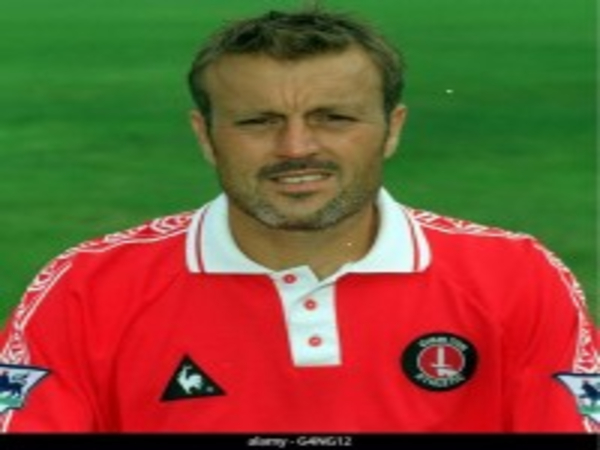
Iain Dowie is a former professional footballer, manager, and media personality whose unique journey from mechanical engineer to Premier League figure has captured the imagination of fans across England and Northern Ireland. Known for his relentless work ethic, tactical intelligence, and the enduring legacy of “bouncebackability,” Dowie’s career spanned successful playing years, a notable managerial trajectory, and later roles in broadcasting and business. With a life marked by resilience and versatility, Iain Dowie stands as a testament to determination, adaptability, and passion for the beautiful game.
Table of Contents
ToggleIntroduction
In the world of football, few names encapsulate resilience and determination as powerfully as Iain Dowie. His life story reads like a compelling drama: a young engineering graduate stepping away from a promising career in aerospace to chase a dream on the football pitch, rising through the ranks to become a respected professional player, then transitioning into a Premier League manager and later a media figure. Beyond his achievements on the field and the sideline, Dowie’s personal journey, family life, and distinctive personality have cemented his place in football history. This article delves into every corner of his life — from his age and early years to his family, net worth, and enduring legacy.
Early Life and Education
Born on January 9, 1965, Iain Dowie grew up in Hatfield, Hertfordshire. Long before football became his world, he pursued academic excellence. Dowie studied Mechanical Engineering, a discipline far removed from the glamour of professional sport. After completing his degree, he joined the aerospace industry, working as an engineer involved in testing missile systems — a role that demanded precision, discipline, and analytical thinking. These traits would later shape his footballing philosophy.
The decision to leave a stable and intellectually stimulating engineering career to pursue professional football was unconventional. Most professional footballers are identified as teenagers and enter club academies, but Dowie’s path was different. His story is a reminder that passion, when pursued with dedication, can lead to extraordinary opportunities, even when it means departing from a secure career.
The Playing Career: From Non-League to Premier League
Iain Dowie’s transition into professional football began in non-league clubs, where his performances quickly caught the eye of scouts. His dedication and physical conditioning, likely influenced by his engineering mindset, helped him excel even without the traditional youth development background.
Rise Through the Ranks
Dowie’s early career included stints at smaller clubs, but it wasn’t long before he joined Luton Town, making his mark as a determined and hardworking striker. His approach to the game was defined not by flamboyance but by consistency, work rate, and reliability — qualities every coach values.
From Luton Town, he moved to clubs like West Ham United, Southampton, Crystal Palace, and Queens Park Rangers. Throughout his club career, Dowie made hundreds of appearances and contributed significantly with goals and leadership. Opponents respected him for his physical presence and ability to lead the line, traits that made him a valuable asset in various competitive environments.
Representing Northern Ireland
Although born in England, Dowie qualified to play for Northern Ireland through his family lineage. He embraced this opportunity wholeheartedly, earning 59 international caps and scoring 12 goals for his national side. His tenure with Northern Ireland showcased his commitment and ability to perform on bigger stages, earning respect from both teammates and fans.
Representing a national team is an honor few achieve, and for Dowie, it was a chance to bridge his English roots with his Northern Irish heritage — a dual identity he carried with pride.
Transition to Management
After retiring as a player in the early 2000s, Dowie’s analytical mind and leadership qualities made management a natural next step. Football management, however, brings a unique set of challenges — tactical acumen, player management, media scrutiny, and the constant pressure to deliver results.
Oldham Athletic: First Steps
Dowie’s managerial career began at Oldham Athletic, a club that provided him his first taste of leadership from the dugout. Although not a high-profile assignment, it offered invaluable experience in dealing with full responsibility for team performance.
Crystal Palace: Defining Success
It was at Crystal Palace where Iain Dowie truly made his mark as a manager. Taking over a team struggling in the Championship, Dowie instilled belief and tactical organization that transformed the squad’s fortunes. Under his leadership, Palace achieved promotion to the Premier League through the play-offs, a remarkable turnaround that captured national attention.
During this period, Dowie popularized a phrase that would become synonymous with his ethos: “bouncebackability.” This term — describing the ability to recover from setbacks and return stronger — became widely embraced by fans, media, and eventually entered the broader cultural lexicon.
Other Managerial Roles
Following his success at Crystal Palace, Dowie went on to manage Charlton Athletic, Coventry City, Queens Park Rangers, and Hull City. Each role presented unique challenges and learning experiences. His managerial career was marked by both triumphs and setbacks, reflecting the unpredictable nature of football leadership at the highest levels.
“Bouncebackability” — The Philosophy That Defined Him
Perhaps no legacy of Iain Dowie is as distinctive as the concept of bouncebackability. More than a catchy phrase, it embodies the resilience Dowie demonstrated throughout his life — from changing careers to reviving teams on the brink of collapse. The term resonated not just within football but beyond, symbolizing an attitude of perseverance that transcends sport.
“Bouncebackability” became a rallying cry for supporters and a guiding principle for players under his management. Its cultural impact was significant enough that it permeated mainstream language, capturing the public’s imagination and reinforcing Dowie’s status as a figure of mental strength and determination.
Life Beyond Management: Media and Business
After stepping away from frontline management, Iain Dowie transitioned into roles as a football pundit and media personality. His insights, shaped by years on the pitch and in the dugout, made him a valued commentator on football broadcasts and analysis panels.
In addition to media work, Dowie embarked on business ventures outside of football. He took up leadership roles in sectors such as legal services and conveyancing. These endeavors demonstrated his adaptability and willingness to apply his problem‑solving skills beyond the sporting world.
This phase of his career showcased a multidimensional personality — someone capable of excelling in environments far removed from the football stadium.
Iain Dowie Age: A Veteran of Experience
As of 2025, Iain Dowie is 60 years old. His age reflects a lifetime of diverse experiences — from the rigors of professional sport to the pressures of management and the scrutiny of the media spotlight. While age marks the passing of time, in Dowie’s case, it also symbolizes accumulated wisdom and an enduring presence in the footballing community.
At 60, Dowie’s influence continues to be felt by both fans and professionals who admire his contributions and the lessons embedded in his journey.
Iain Dowie Family: A Supportive Foundation
Family has played a significant role in Iain Dowie’s life. He is married and has children, including two sons. Although he has maintained a relatively private personal life compared to his public football career, his family’s support has been a cornerstone of his journey.
Interestingly, footballing talent runs in the family. His niece, Natasha Dowie, is a professional footballer in her own right, furthering the Dowie legacy within the sport. The presence of multiple footballers in the family highlights a shared passion and perhaps a supportive environment that encouraged sporting excellence.
Family, in the context of Dowie’s life, extends beyond blood relations to the close bonds formed with teammates, players he managed, and colleagues in media and business.
Iain Dowie Net Worth: Estimating the Value of a Varied Career
Estimating the net worth of a public figure like Iain Dowie involves considering income earned from playing contracts, managerial roles, media engagements, and business pursuits. While there is no officially published or verified figure, biographical assessments commonly estimate his net worth to be in the multi‑million dollar range.
This estimate reflects decades of involvement at high levels within professional football and related industries. Importantly, net worth figures should be understood as approximations rather than precise numbers — influenced by personal investments, earnings from contracts, and financial decisions made over a lifetime.
Iain Dowie Wikipedia: Public Recognition and Legacy
On platforms like Wikipedia and other biographical references, Iain Dowie is described as a former professional footballer and manager, recognized for his contributions to English and Northern Irish football. These accounts summarize his career trajectory, notable achievements, and roles in media and business — providing the public with a factual overview of his life.
The presence of a Wikipedia entry reflects Dowie’s public significance and offers fans and researchers a starting point for learning about his journey. However, this article expands upon basic summaries by offering deeper insight into the nuances of his life and legacy.
Challenges and Triumphs: A Balanced Legacy
No life of such breadth is without challenges. Dowie has experienced setbacks — both professionally and personally. Yet these moments are often what make his story compelling. Whether navigating managerial dismissals, team struggles, or the inevitable criticisms that accompany high‑profile roles, Dowie’s career embodies the very “bouncebackability” he popularized.
Today, his legacy is multifaceted:
-
A hardworking footballer who defied conventional entry paths into professional sport.
-
A manager who achieved memorable success and influenced football culture.
-
A media figure who communicated football knowledge with authenticity.
-
A business professional applying skills learned on the pitch to new arenas.
Conclusion: The Enduring Impact of Iain Dowie
In the world of football, where heroes are often defined by trophies and statistics, Iain Dowie’s story resonates for entirely different reasons. His life exemplifies perseverance, adaptability, and an unwavering commitment to personal growth. From an engineering student to an international athlete, from a promotion‑winning manager to a respected voice in media, Dowie has navigated varied roles with integrity and grit.
His age, family life, estimated net worth, and public recognition on platforms like Wikipedia add layers to a complex and inspiring life story. Yet the most enduring part of his legacy may be the mindset he championed — one that celebrates resilience in the face of adversity.
In every chapter of his life, Iain Dowie has proven that success is not solely defined by immediate victories but by the capacity to rise, adapt, and continue striving — truly embodying the spirit of “bouncebackability.”