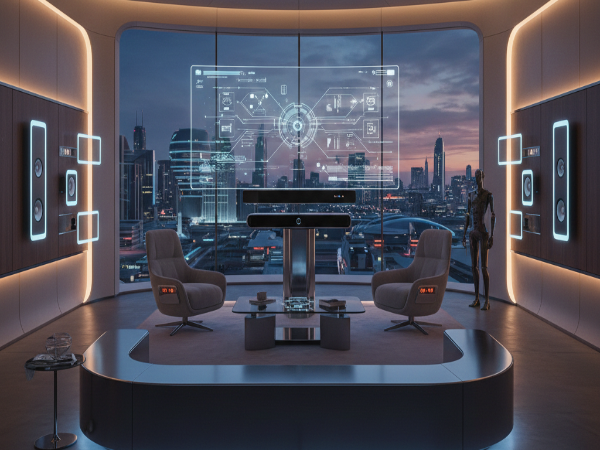
Future automation is transforming homes, offices, and commercial spaces by seamlessly integrating intelligent engineering, automated architectural systems, and advanced audio-visual solutions. By hiding and revealing technology as needed, future automation enhances functionality, efficiency, and aesthetics without compromising architectural integrity. This approach allows spaces to become smarter, more adaptive, and visually refined, creating an environment that is both technologically advanced and elegantly designed.
Introduction: The Rise of Future Automation
In today’s fast-paced world, technology is no longer just about gadgets or devices; it’s about creating smarter, more intuitive spaces. Future automation is at the forefront of this transformation, offering solutions that combine engineering, architecture, and design with cutting-edge technology. By automating functions such as lighting, audio-visual systems, and movable architectural elements, future automation allows spaces to respond to human needs seamlessly. This shift is not only about convenience; it’s about creating environments that are efficient, aesthetically pleasing, and aligned with modern lifestyles.
What is Future Automation?
Future automation refers to the advanced integration of intelligent systems within physical spaces to optimize functionality, user experience, and design aesthetics. It encompasses a wide range of technologies, including:
-
Motorized architectural panels and hidden compartments
-
Automated lifts and mounts for screens and projectors
-
Smart lighting and environmental controls
-
Audio-visual solutions that blend seamlessly with interiors
The goal is to conceal technology until it is needed, maintaining the beauty of architectural design while providing state-of-the-art functionality.
Key Benefits of Future Automation
Enhanced Functionality
One of the most significant advantages of future automation is improved functionality. By automating routine tasks and providing adaptive control over devices and environments, spaces become intuitive and user-friendly. For example, motorized panels can hide screens when not in use, and smart lighting systems can adjust automatically based on the time of day or occupancy. This level of automation minimizes clutter, reduces manual effort, and enhances the efficiency of daily operations.
Improved Aesthetics
Modern design emphasizes minimalism and clean lines. Future automation enables spaces to maintain a sleek and organized look, as bulky devices, wires, and equipment are hidden within walls, ceilings, or furniture. The technology is visible only when needed, enhancing the overall visual appeal. This approach allows interior designers and architects to preserve the beauty of the space while incorporating cutting-edge technology.
Smarter and Efficient Spaces
By integrating intelligent systems, future automation allows environments to learn and adapt to user behavior. Smart sensors, AI-driven controls, and responsive mechanisms make homes, offices, and commercial spaces more efficient. Energy consumption is optimized, security systems are more proactive, and spaces become adaptive to the needs of the users. Efficiency is no longer just functional—it becomes intelligent.
Preserved Architectural Integrity
One of the most challenging aspects of integrating technology into spaces is maintaining architectural integrity. Future automation solves this problem by ensuring that automation systems blend seamlessly with the structure. Hidden lifts, retractable screens, and concealed audio systems ensure that design remains uninterrupted while providing advanced functionality.
Applications of Future Automation
Residential Spaces
In modern homes, future automation offers solutions that combine luxury, convenience, and aesthetics:
-
Retractable TVs and projector screens
-
Motorized blinds and curtains
-
Concealed audio and speaker systems
-
Smart lighting and climate control
These features create a home environment that is both high-tech and comfortable, offering a level of convenience and elegance that enhances daily life.
Offices and Workspaces
Future automation is increasingly adopted in corporate environments to improve productivity and create dynamic workspaces. Automated conference room systems, retractable projectors, and adaptive lighting help offices function more efficiently while maintaining a professional and modern aesthetic. By seamlessly integrating technology, businesses can create environments that support collaboration and innovation.
Commercial Spaces
Retail, hospitality, and entertainment sectors benefit from future automation through interactive, adaptive environments:
-
Concealed displays and signage for a clean look
-
Automated lighting and ambient controls for customer experience
-
Smart audio systems for dynamic soundscapes
Such implementations not only enhance functionality but also create memorable experiences for visitors and clients.
Technologies Driving Future Automation
Intelligent Engineering
Intelligent engineering lies at the core of future automation. This involves precision mechanics, robotics, and custom design to create systems that move, adjust, and operate with minimal human intervention. From motorized lifts to sliding panels, engineering ensures the automation is smooth, reliable, and long-lasting.
Automated Architectural Systems
Automated architectural systems integrate technology directly into the structure. These systems include concealed compartments, retractable walls, and motorized partitions, which allow spaces to transform dynamically while maintaining design aesthetics. This technology is increasingly popular in modern homes, offices, and commercial establishments.
Audio-Visual Integration
Audio-visual technology is a key component of future automation. By integrating sound and display systems within architecture, designers can provide seamless multimedia experiences without compromising visual appeal. Systems are controlled through smart interfaces, giving users full control while keeping devices hidden when not in use.
Smart Sensors and AI
Future automation relies heavily on smart sensors and artificial intelligence. These systems detect motion, occupancy, lighting conditions, and user preferences to adapt spaces intelligently. AI can automate daily routines, optimize energy use, and enhance security while making the space more responsive to its occupants.
Designing Spaces with Future Automation
Designing for future automation requires a holistic approach, combining aesthetics, technology, and usability. Key considerations include:
-
Planning for concealed technology
-
Ensuring smooth mechanical operation of automated components
-
Integrating smart systems that learn from user behavior
-
Maintaining harmony with the overall design and architecture
By keeping these principles in mind, designers and engineers can create spaces that are both beautiful and functional.
Challenges and Considerations
While future automation offers incredible benefits, there are challenges to consider:
-
Cost: Advanced systems can be expensive to design and install.
-
Maintenance: Motorized and smart systems require regular upkeep.
-
Integration: Coordinating multiple systems to work seamlessly can be complex.
-
User Adaptation: Users need to understand how to interact with automated systems effectively.
Overcoming these challenges requires planning, expertise, and high-quality engineering to ensure long-term performance and satisfaction.
The Future of Future Automation
The field of future automation is rapidly evolving, with new technologies continually emerging. Trends shaping the future include:
-
AI-driven predictive automation that anticipates user needs
-
Fully integrated smart home ecosystems with voice and gesture controls
-
Sustainable automation focusing on energy efficiency and eco-friendly materials
-
Collaborative robotics (cobots) for interactive commercial and industrial spaces
As technology continues to advance, future automation will become more accessible, adaptive, and seamlessly integrated into everyday life.
Conclusion
Future automation is more than just technology—it’s a design philosophy that merges functionality, aesthetics, and intelligence. By integrating engineering, architecture, and audio-visual systems, it creates environments that are smarter, visually refined, and highly efficient. From homes to offices and commercial spaces, future automation is redefining the way we interact with our surroundings, transforming ordinary spaces into adaptive, responsive, and elegantly designed environments.