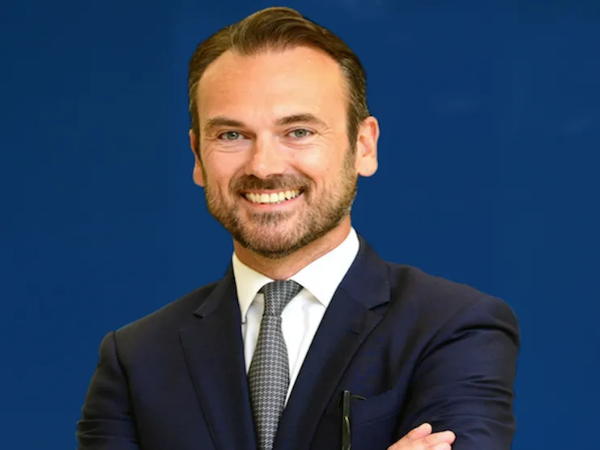
Graeme Downie is a Scottish politician and member of the Labour Party, serving as the Member of Parliament for Dunfermline and Dollar since 2024. Born in December 1980, he grew up mainly in Scotland but also lived for a time in Berlin and Warrington. Known for his dedication to public service, Downie combines his working-class roots with a modern approach to politics, focusing on social justice, public health, and economic growth. His political journey, family life, and professional achievements highlight his growing influence in both Scottish and UK politics.
Early Life and Education of Graeme Downie
Graeme James Downie was born in December 1980, making Graeme Downie age 44 years old as of 2025. He was raised primarily in Scotland, a country known for its strong political traditions and deep community ties. His upbringing was far from ordinary—Graeme also spent part of his childhood in Berlin and Warrington, experiences that shaped his worldview and understanding of different societies.
From a young age, Graeme displayed curiosity about current affairs, fairness, and social change. These early interests would later become cornerstones of his political philosophy. He attended Craigmount High School in Edinburgh, where his leadership potential began to shine through. Later, he enrolled at the University of Stirling, earning a Bachelor’s degree in Politics in 2002. This academic foundation prepared him for the world of governance, public policy, and social reform.
His family background is modest but rich in values. His father worked as an electrician, while his mother held various clerical and administrative roles. Growing up in a working-class household taught Graeme the importance of perseverance, equality, and opportunity—principles that would guide his political path.
Graeme Downie’s Early Career
Before entering full-time politics, Graeme Downie built a successful career in communications and public affairs. His professional life revolved around shaping messages, managing public perception, and helping organizations communicate with integrity and clarity. He worked in several strategic roles, including a notable position managing communications in Scotland and Northern Ireland for a national non-departmental public body.
This period gave him a unique understanding of how government decisions impact citizens and how effective communication can strengthen public trust. Downie’s background in media and policy gave him an edge when he later transitioned into politics. It also allowed him to understand the balance between political vision and public accountability—an essential skill in the modern political landscape.
Entry into Politics and Local Leadership
Graeme Downie’s political journey began at the local government level, where he served as a councillor for the West Fife and Coastal Villages ward in the Fife Council. His tenure was marked by a commitment to improving local health services, economic opportunities, and community engagement. During this time, he acted as the health spokesperson for the Labour-led council, advocating for better local healthcare access and public well-being.
His leadership at the council level demonstrated his ability to blend compassion with pragmatism. Rather than relying on political rhetoric, Downie focused on delivering measurable improvements for his constituents. This hands-on experience provided him with a solid understanding of how local government functions and how grassroots issues connect to national policy.
Election to the UK Parliament
In July 2024, Graeme Downie achieved a significant milestone by being elected as the Member of Parliament (MP) for Dunfermline and Dollar. Representing the Labour Party, his victory marked a crucial win in Scotland, symbolizing Labour’s renewed strength and presence in the region. The Dunfermline and Dollar constituency, which combines urban and rural communities, reflects the diversity of modern Scotland—from industrial roots to modern economic challenges.
As an MP, Downie quickly made his mark as a thoughtful, articulate, and policy-driven representative. He brought a local perspective to national discussions and focused on issues such as healthcare, job creation, environmental responsibility, and fair taxation. His speeches and parliamentary interventions often emphasize the importance of dignity, opportunity, and social justice for all citizens.